Exterior Stone Cladding and Stone Siding Installation

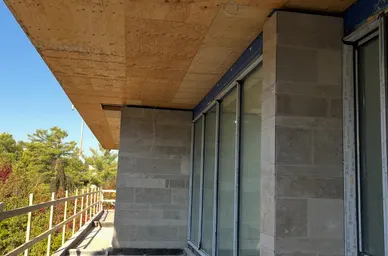
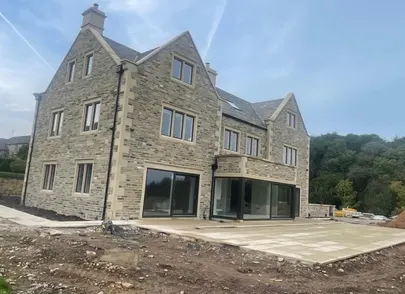
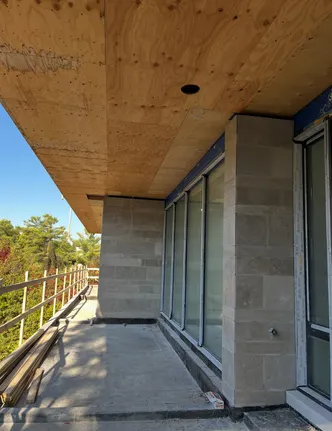
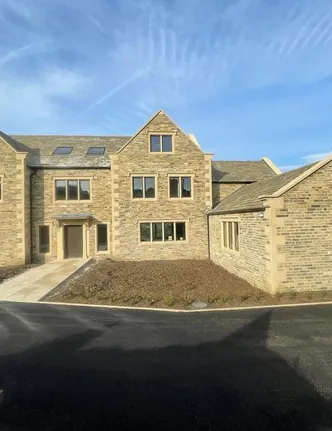
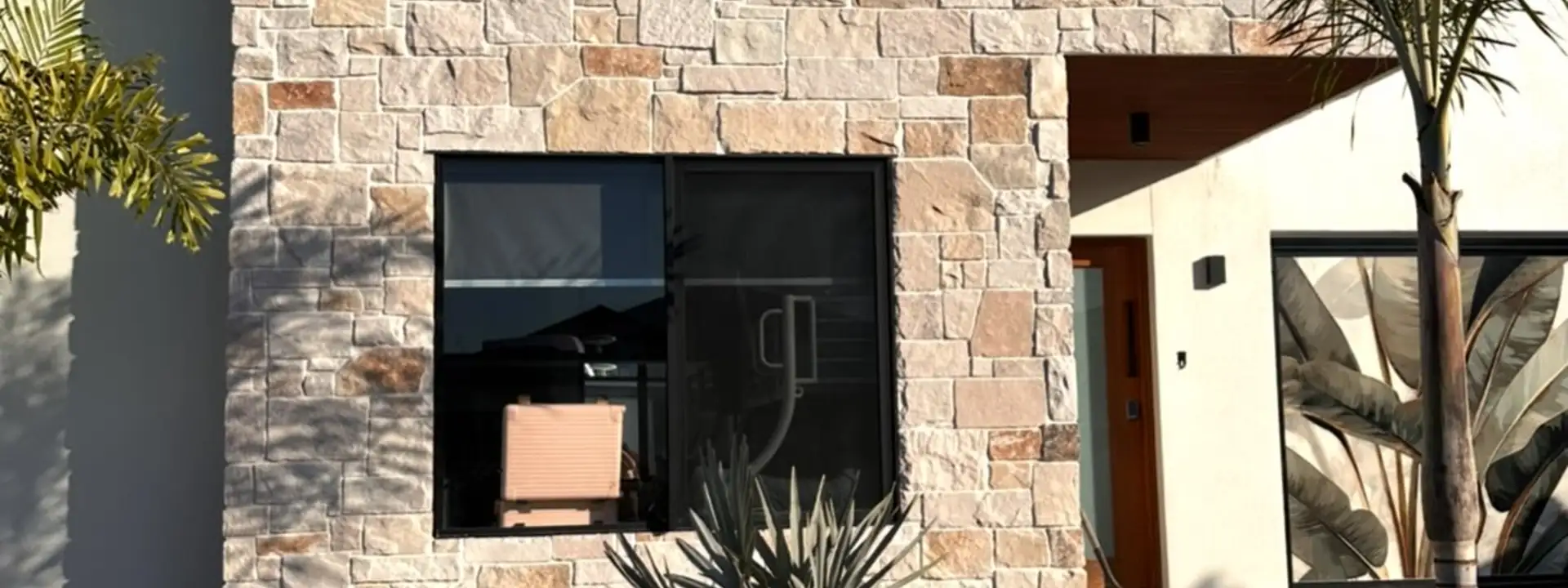
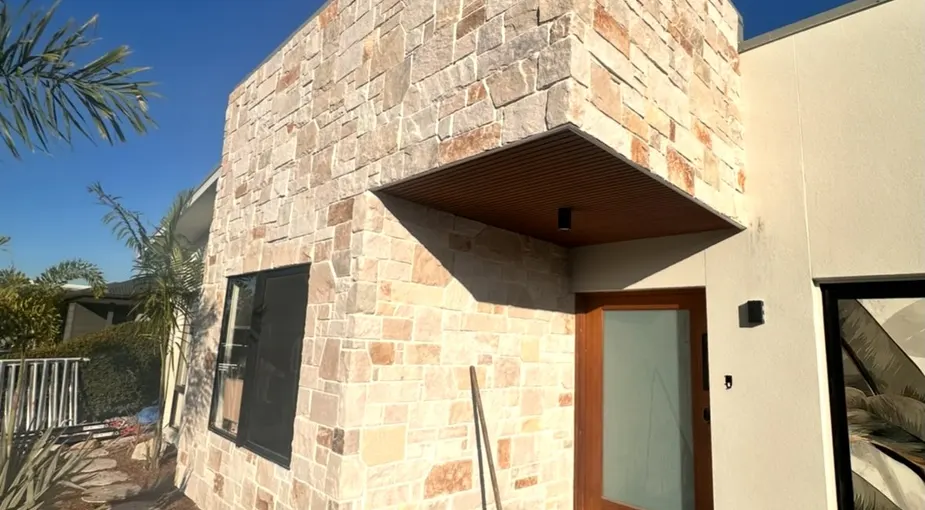
Exterior stone cladding on the facade of a contemporary home

A facade is the first thing people see and the part of a building that works hardest against sun, wind and rain. Exterior stone cladding replaces or covers tired siding with a durable stone surface that changes how the whole property reads from the street.

Cladding projects range from a stone wainscot along the front elevation to full stone siding on every wall. Because these are larger, weather-exposed surfaces, details like flashing, drainage and transitions to windows and roofs matter even more than on interior work.
What Is Exterior Stone Cladding?

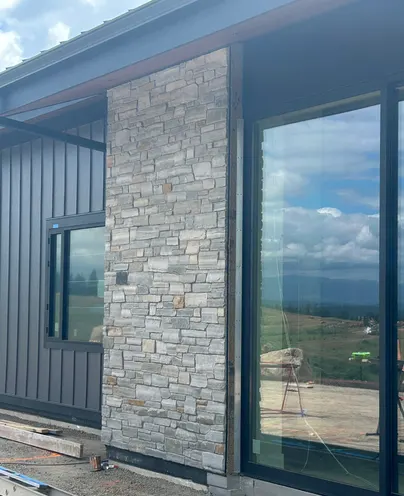
Exterior stone cladding is any stone layer that forms the outer skin of a building wall without carrying structural loads. On homes it is usually adhered veneer, either natural thin stone or manufactured stone, installed over a drainage-ready substrate. On commercial projects it can also include large stone panels fixed with mechanical anchors or rainscreen systems.

Stone siding is a common term for the same idea on residential exteriors: stone applied in place of, or in addition to, stucco, wood or fiber-cement siding.

If you are comparing options, see our guides to natural stone veneer options.

Benefits of Stone Cladding

Stone cladding is an investment in appearance and durability that pays back over the life of the building.

Exterior Stone Cladding detail view

Major curb appeal upgrade

Stone adds weight, shadow and texture that painted surfaces cannot match.

Low maintenance

Stone does not need repainting, and many stones look better as they weather.

Weather and impact resistance

Stone handles UV, coastal air and minor impacts better than most siding materials.

Design flexibility

Mix stone with stucco, wood or metal panels to highlight entries, corners and building volumes.

Stone Cladding Systems and Materials

The right system depends on the building type, wall height and budget:

  • Adhered thin natural stone: Real stone bonded with mortar over lath and a moisture barrier; the most common premium residential option.
  • Manufactured stone siding: Cast stone in many profiles for cost-effective full facades and wainscots.
  • Stacked stone panels: Interlocking ledgestone panels that create long, clean horizontal lines on modern facades.
  • Large-format stone panels: Thin slabs of limestone, sandstone or granite on mechanical anchors, mostly for commercial and high-end modern design.

Typical Exterior Cladding Projects

Exterior stone is used on every part of the building envelope:

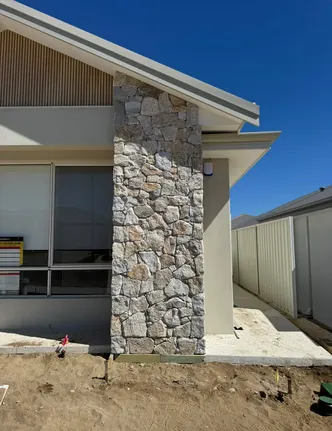
Front elevation wainscots below windows

Full-height entry walls and tower elements

Garage fronts and gable walls

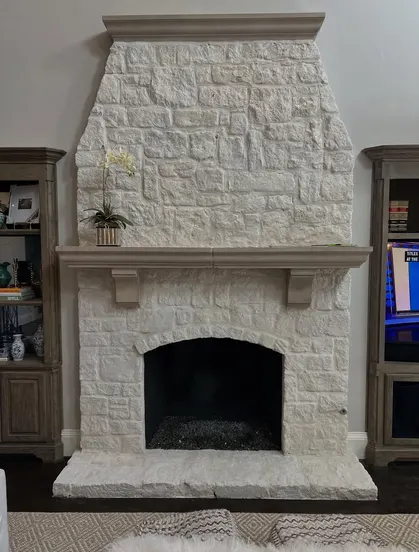
Chimney chases and exterior fireplaces

Commercial storefronts and monument signs

Site walls, gate piers and mailbox columns

Exterior Stone Cladding Process

Good cladding starts with a plan for water, because some water will get behind any exterior veneer.

01

Facade assessment

The contractor checks the existing siding, sheathing, windows and roof-to-wall flashing before quoting.

02

Removal and repair

Old siding or stucco is removed where required and any damaged sheathing or framing is repaired.

03

Drainage plane and flashing

Water-resistive barriers, flashing, lath and weep details are installed and integrated with windows and doors.

04

Stone installation and sealing of transitions

Stone is set course by course; joints at windows, trim and dissimilar materials are sealed with compatible sealants.

Exterior Stone Cladding process

Exterior Cladding Cost Factors

Exterior projects vary more than interior ones because the scope can include demolition and repairs. Main cost drivers:

Wall area and number of elevations. Larger areas lower the cost per square foot, but total cost rises with coverage.

Material choice. Natural thin stone and large panels cost more than manufactured stone.

Demolition and repairs. Hidden water damage behind old siding is common and adds cost when found.

Window and roof integration. More openings mean more flashing, cutting and trim pieces.

Scaffolding and height. Multi-story walls require scaffolding or lifts and more labor time.

Permits and HOA approval. Facade changes may need city permits or HOA design review.

Every project is quoted after a site visit or detailed photos. East West Stone does not set contractor pricing.

Price Guide

Exterior Stone Cladding Price Ranges

These are published national-average installed costs from independent cost guides, not prices set by East West Stone or any contractor. Use them to sanity-check quotes; your actual price depends on the factors above and on local labor rates in San Diego County.

Exterior Stone Cladding typical installed cost ranges
WorkTypical rangeUnitSource
Manufactured (synthetic) stone veneer over lath and moisture barrier, mortared and groutedIncludes flashing, sealants and debris disposal; old siding removal extra. $24.44 – $42.01 per sq ft [1]
Natural thin stone veneer, 1" irregular, over paper, lath and scratch coatBasic mid-range labor, favorable site; 129 sq ft example. $25.76 – $32.92 per sq ft [2]
Natural stacked stone (ledgestone) panels, 6" x 24", set in mortar over lathBasic mid-range labor, favorable site; 129 sq ft example. $29.60 – $37.60 per sq ft [3]

Example budgets (our calculation from the per-unit ranges above)

  • 300 sq ft facade, manufactured stone over lath$7,332 – $12,603
  • 300 sq ft facade, natural thin stone veneer$7,728 – $9,876

What these ranges assume: basic mid-range work by experienced professionals in readily accessible conditions, with materials and delivery included. They exclude sales tax, permits and inspections, removal or repair of existing structures, and general contractor overhead, which the sources suggest adds 13% to 22% when a general contractor supervises.

Sources (checked October 2026):

Frequently Asked Questions

Exterior Stone Cladding FAQ

Yes. Stone handles salt air well, but metal components such as lath and fasteners should be corrosion-resistant, and efflorescence may appear more often in damp coastal conditions.

Generally no. Stone veneer needs a solid, properly prepared substrate. Wood or vinyl siding is usually removed so a drainage plane and lath can be installed.

Many HOAs in San Diego County require design review for exterior material or color changes. Submit samples and drawings before you schedule work.

Rinse it occasionally, keep sprinklers from soaking the wall, and clean efflorescence with products recommended for your stone type. Avoid pressure washing at close range.

Project Gallery

Examples of This Work

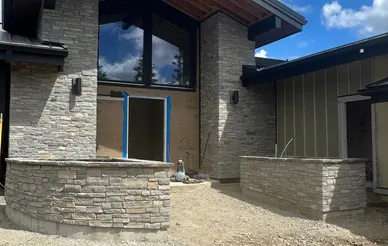
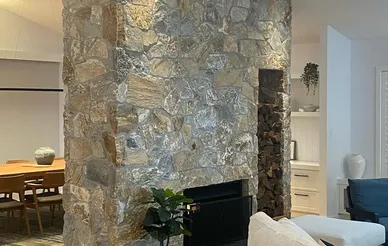
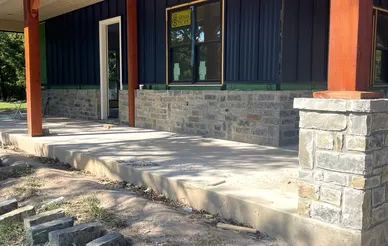
Example photos illustrate the type of work; they are not presented as East West Stone projects. Browse the full project gallery.

Related Services

Related Stone Services

Ready to upgrade your facade? Request a free exterior stone cladding estimate. Request a Free Estimate