Manufactured Stone Veneer Installation for Walls and Fireplaces

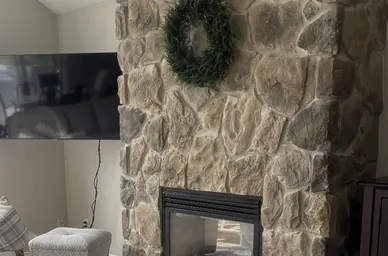
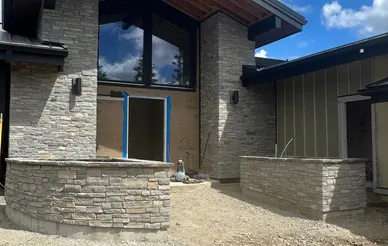
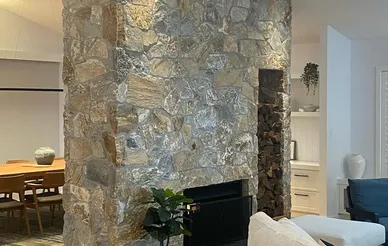
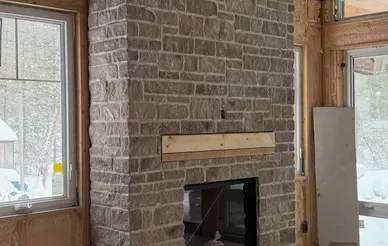
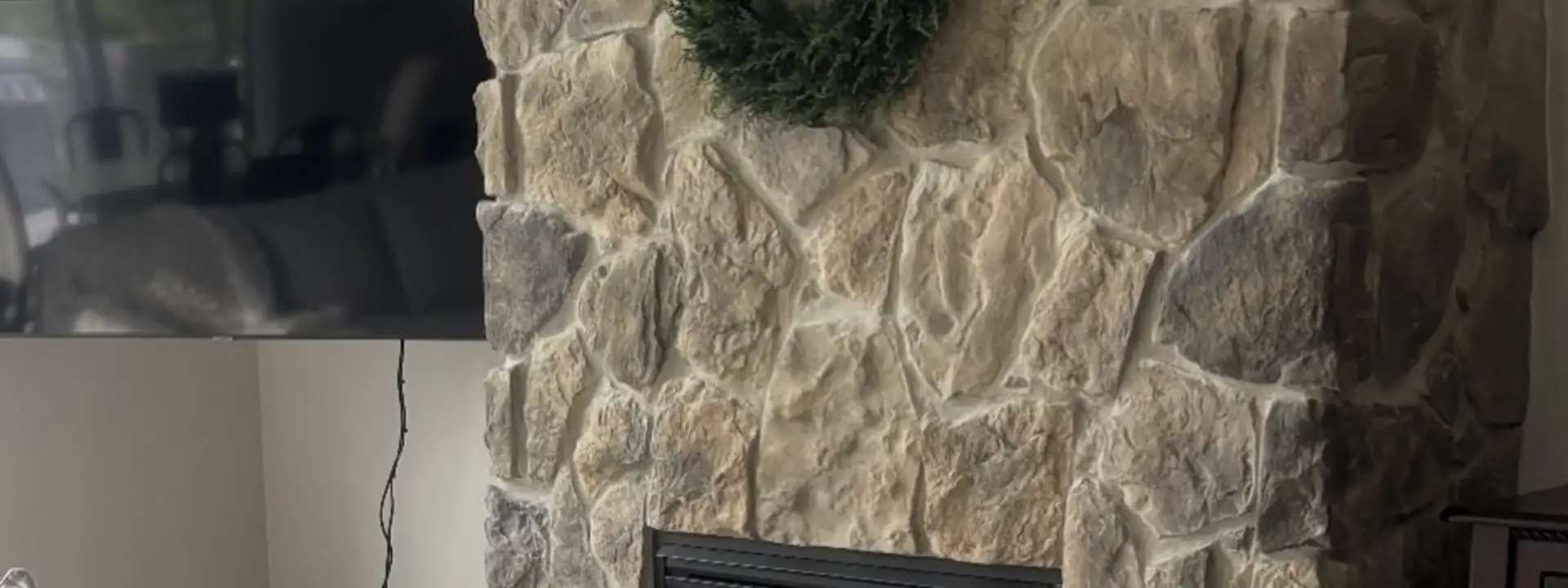
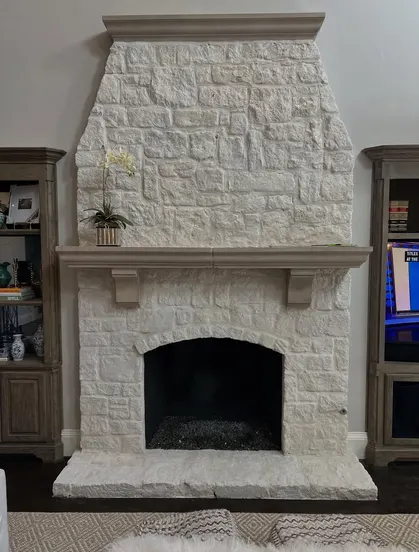
Manufactured stone veneer fireplace with consistent stone profiles

Manufactured stone veneer makes the stone look accessible to more projects and budgets. Because it is cast in molds, it arrives in consistent sizes and colors, weighs less than most natural stone and installs efficiently on walls of all kinds.

Many manufactured stone problems seen around Southern California are not caused by the product but by shortcuts during installation, especially missing flashing and weep screeds. This page covers what a proper installation includes so you can compare contractors on more than price.
What Is Manufactured Stone Veneer?

Manufactured stone veneer, sometimes called cultured stone, faux stone or adhered concrete masonry veneer, is a lightweight concrete product cast in molds taken from real stone. Iron-oxide pigments give it color, and profiles range from ledgestone and fieldstone to cut ashlar and river rock.

It is installed as an adhered veneer: mortar bonds it to a scratch coat over lath and a water-resistive barrier, or directly to clean concrete or block. Most manufacturers publish detailed installation instructions, and following them is essential for durability.

If you are comparing options, see our guides to natural stone veneer options and repairing loose or stained veneer.

Benefits of Manufactured Stone

For many homeowners, manufactured stone is the most practical path to a stone look.

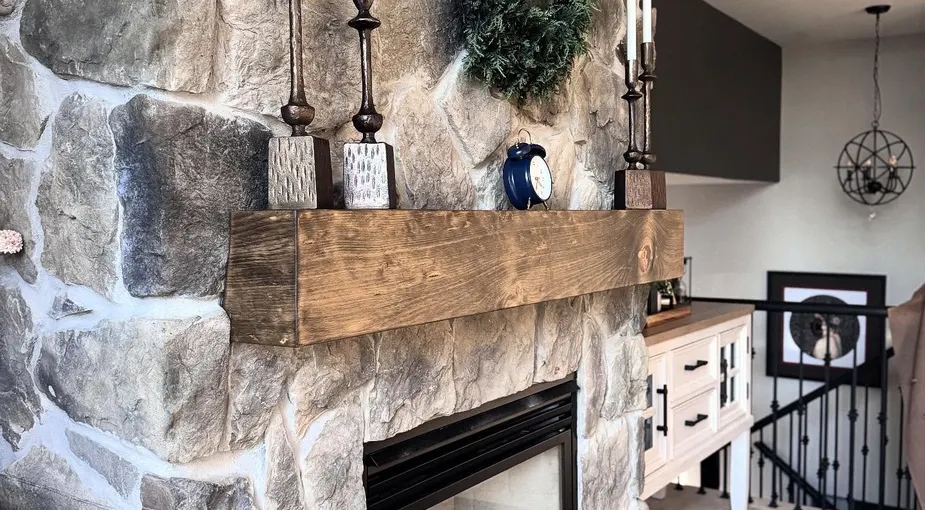
Manufactured Stone Veneer Installation detail view

Lower material cost

Cast stone usually costs less per square foot than natural stone and requires less cutting.

Lightweight

Lower weight simplifies installation on framed walls, soffit returns and upper-story areas.

Predictable appearance

Consistent profiles and colors make it easier to match additions or future repairs.

Large style range

Manufacturers offer many profiles and colors, including looks that would be hard to source in natural stone.

Manufactured Stone Profiles

Most product lines include several profiles. The profile sets the character of the wall:

  • Ledgestone / stacked stone: Long, thin horizontal pieces with a tight dry-stack look, popular for modern fireplaces.
  • Fieldstone and country rubble: Irregular stones with wider mortar joints for a rustic, traditional look.
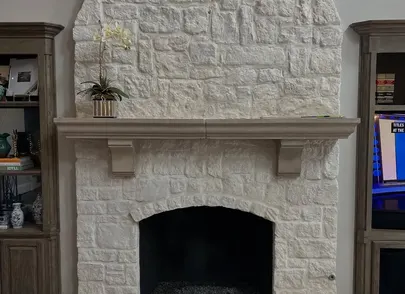
  • Cut ashlar / limestone: Rectangular stones with clean faces for Tuscan, French country and formal designs.
  • River rock and cobble: Rounded shapes for cabins, porches and outdoor fireplaces.

Common Manufactured Stone Applications

Manufactured stone is versatile, but it should not be used as paving or below grade unless the manufacturer allows it. Typical uses:

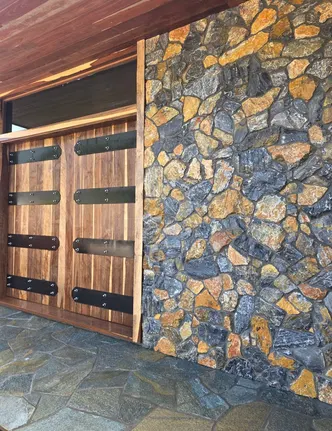
Exterior wainscots and full facades

Fireplace surrounds and TV walls

Column wraps and porch piers

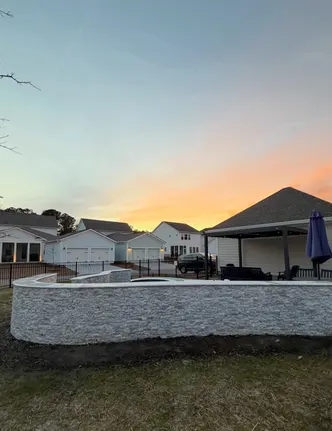
BBQ islands and outdoor kitchens (with proper caps)

Retaining wall facing (with drainage behind)

Interior accent and feature walls

Manufactured Stone Installation Process

Water management is the heart of a correct manufactured stone installation on a framed wall.

01

Water-resistive barrier and flashing

Two layers of barrier or an approved equivalent, plus flashing at windows, doors, roof-to-wall joints and penetrations.

02

Lath, weep screed and scratch coat

Corrosion-resistant lath is fastened to the framing, a weep screed is set at the base with clearance above grade or paving, and a scratch coat is applied.

03

Stone setting

Pieces are back-buttered and pressed into fresh mortar, corners first, with cut edges hidden or turned up.

04

Grouting and cleanup

Joints are filled with a grout bag and tooled, and loose mortar is brushed off once firm. Acid cleaners are avoided.

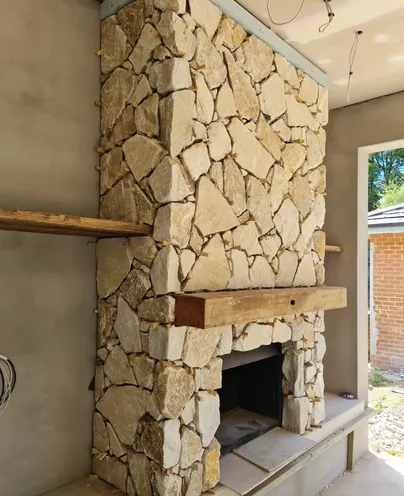
Manufactured Stone Veneer Installation process

What Drives Manufactured Stone Pricing

Material is often the smaller part of the bill. Labor and preparation make the difference:

Product line and profile. Premium brands and complex profiles cost more than basic ledgestone.

Wall preparation. Barrier, flashing, lath and scratch coat are labor-heavy but non-negotiable on framed walls.

Removal of existing finishes. Removing old stucco or failed stone adds demolition and disposal costs.

Corners and trim pieces. Corners, sills, caps and hearthstones are priced separately from flats.

Height, scaffolding and access. Upper walls and tight spaces slow installation down.

Every project is quoted after a site visit or detailed photos. East West Stone does not set contractor pricing.

Price Guide

Manufactured Stone Veneer Installation Price Ranges

These are published national-average installed costs from independent cost guides, not prices set by East West Stone or any contractor. Use them to sanity-check quotes; your actual price depends on the factors above and on local labor rates in San Diego County.

Manufactured Stone Veneer Installation typical installed cost ranges
WorkTypical rangeUnitSource
Manufactured stone veneer panels (6" x 24" interlocking, adhesive on backer board)Basic mid-range labor, favorable site; 129 sq ft example. $23.62 – $42.50 per sq ft [1]
Manufactured (synthetic) stone veneer over lath and moisture barrier, mortared and groutedIncludes flashing, sealants and debris disposal; old siding removal extra. $24.44 – $42.01 per sq ft [2]

Example budgets (our calculation from the per-unit ranges above)

  • 200 sq ft exterior wainscot, manufactured stone over lath$4,888 – $8,402
  • 80 sq ft fireplace wall, manufactured panels on backer board$1,890 – $3,400

What these ranges assume: basic mid-range work by experienced professionals in readily accessible conditions, with materials and delivery included. They exclude sales tax, permits and inspections, removal or repair of existing structures, and general contractor overhead, which the sources suggest adds 13% to 22% when a general contractor supervises.

Sources (checked October 2026):

Frequently Asked Questions

Manufactured Stone Veneer Installation FAQ

A weep screed at the bottom of the wall lets water that gets behind the veneer drain out. Without it, moisture can be trapped against the sheathing, leading to rot and stains. Manufacturer instructions typically require clearance between the screed and soil or paving.

Often yes for walls, but pool water, salt systems and chemicals can affect it. Check the product's warranty conditions and consider a breathable sealer and regular rinsing.

Some products can be color-touched with masonry stains designed for that purpose, but painting with regular paint traps moisture and is generally not recommended.

Look for white staining, cracking at the base, soft or stained interior walls behind the stone, or stone sitting directly on soil or concrete without a gap. A contractor or inspector can test moisture levels.

Project Gallery

Examples of This Work

Example photos illustrate the type of work; they are not presented as East West Stone projects. Browse the full project gallery.

Related Services

Related Stone Services

Comparing manufactured stone quotes? Request an estimate from a local installer. Request a Free Estimate